
Speakers

David Reger
CEO NEURA Robotics
Bio
David Reger’s career began in Switzerland as the founder and manager of high-tech companies in the automation and robotics industry. During this time, the young entrepreneur gained two profound insights: First, respect for existing technological achievements should never be an excuse to shy away from attempting the seemingly impossible. Second, only a completely new approach to robotics can overcome technological barriers to make robots a natural companion in a modern, social society.
With the mindset of an experienced yet grounded doer, David Reger founded NEURA Robotics GmbH in 2019 and, in record time, brought the first series-ready cognitive robots to market. These were based on a technological platform that combines artificial intelligence with groundbreaking sensor and hardware design, effectively transforming robots into smartphones with arms and legs.
Reger has been appointed to key thought-leadership and advisory positions, including membership in the Senate of the German Economy and the European Senate for Economy and Technology.
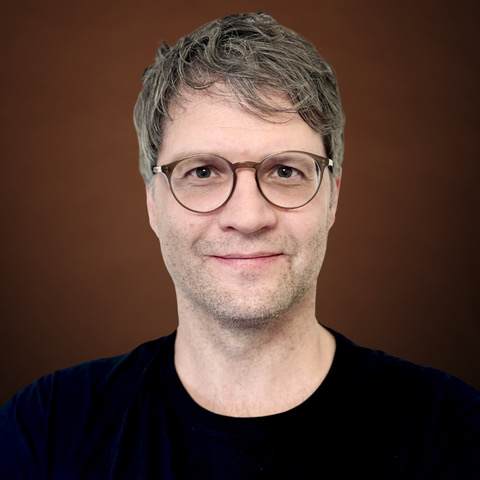
Dr. Moritz Bächer
- Lab Director of Disney Research Imagineering in Zurich
Moritz Bächer is the Lab Director of Disney Research Imagineering in Zurich, where he drives novel solutions for storytelling with robotic characters and leads hardware and software research for projects like the BDX Droids and Olaf. His work focuses on developing artistic interfaces for generative motion models and deep reinforcement learning, enabling robots to perform highly dynamic motion, express emotion, and autonomously interact with humans. Moritz holds a Ph.D. from the Harvard School of Engineering and Applied Sciences and a master’s degree from ETH Zurich.
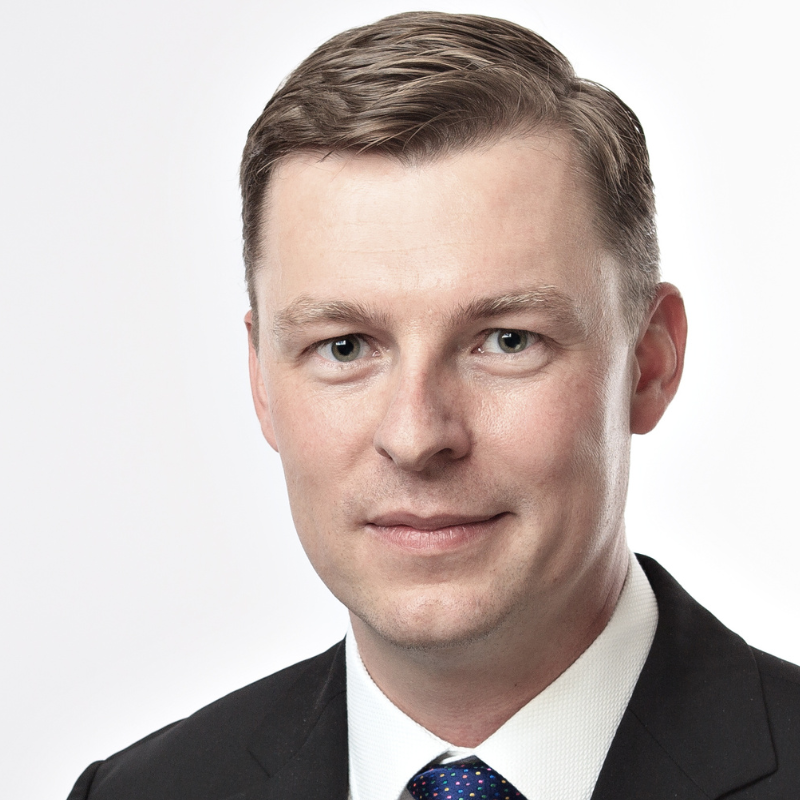
Dr. André Scholz
- Head of Innovation Departement “Autonomous Factory”, Siemens AG
Dr. André Scholz is leading the ‘Autonomous Factory’ innovation department in Digital Industries – Factory Automation at Siemens AG. The focus of his current work is on the exploration of Physical AI in Robotics and the development of Industrial-ready solutions.

Ryan Finnigan
- Senior Vice President, Humanoid.ai
Ryan Finnigan, SVP of Strategic Partnerships at Humanoid, brings over 14 years of experience in automation and robotics.
He has worked with five of the top 20 integrators in the materials handling and supply chain automation space, as well as numerous leading startups, including Covariant, where he led European go-to-market efforts.
He later founded his own GTM consultancy focused on robotics and automation.
This breadth of experience enables Ryan to shape Humanoid’s commercial strategy and deliver high-impact business development and sales outcomes across multiple sectors.
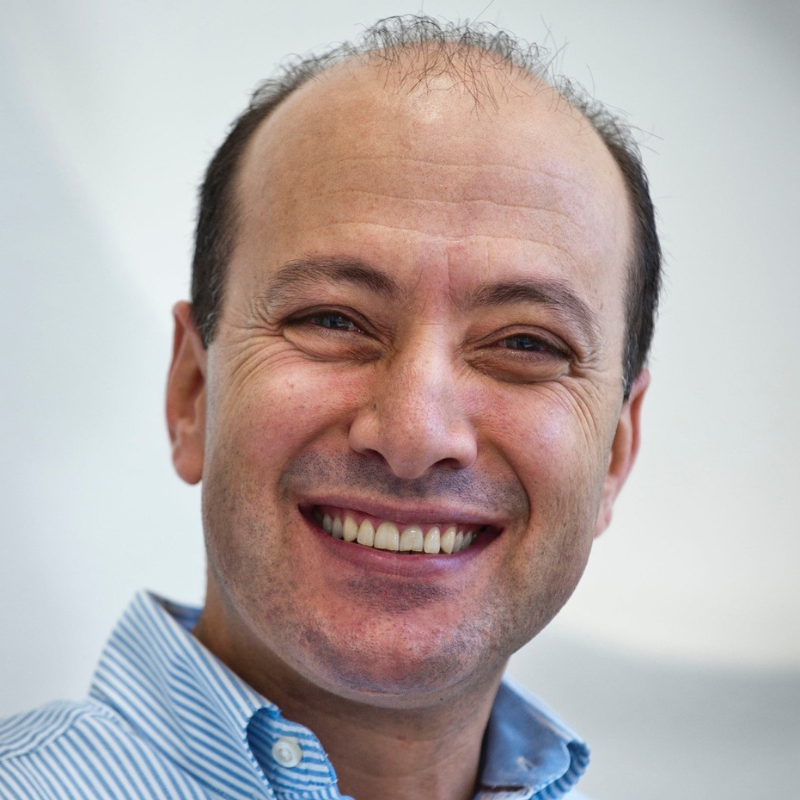
Prof. Dr. Tamim Asfour
- Spokesperson, Robotics Institute Germany (RIG)
- Karlsruhe Institute of Technology (KIT), Institute for Anthropomatics and Robotics (IAR), High Performance Humanoid Technologies (H2T)
Tamim Asfour is the Spokesperson of the Robotics Institute Germany (RIG) and Full Professor of Humanoid Robotics at Karlsruhe Institute of Technology (KIT), Germany. He directs the High Performance Humanoid Technologies Lab (H2T) at the Institute of Anthropomatics and Robotics. His research focuses on the engineering 24/7 humanoid robot systems that integrates artificial intelligence, informatics, and mechatronics to perform versatile tasks in the real world while learning from humans, experience and interaction with the environment. Tamim is the developer of the ARMAR humanoid robot family. He has been a visiting professor at Georgia Tech, Tokyo University of Agriculture and Technology, and the National University of Singapore. He IEEE Fellow, Editor-in-Chief of the Robotics and Automation Letters (RA-L), Founding Editor-in-Chief of the IEEE-RAS Humanoids Conference Editorial Board, and the scientific spokesperson of the KIT Center “Information · Systems · Technologies” (KCIST).
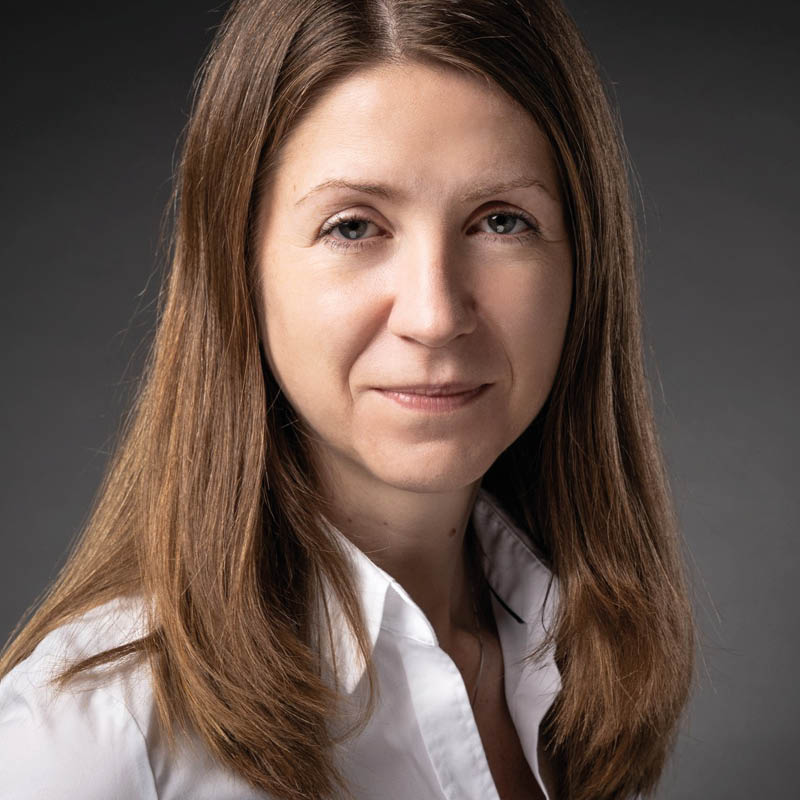
Prof. Dr. Yulia Sandamirskaya
- Head of a Research Center “Cognitive computing in Life Sciences” at ICLS/ZHAW
Prof. Yulia Sandamirskaya is heading a Research Centre „Cognitive Computing“ at the Institute of Computational Life Sciences at the Zurich University of Applied Sciences (ZHAW), Wädenswil. Her lab develops brain-inspired, neuromorphic technology for robot perception, cognition, and control. With a Dr.rer.nat. in Neuroinformatics from Ruhr-University of Bochum, she was leading a research group „Neuromorphic Cognitive Robots“ at the Institute of Neuroinformatics of ETH Zurich / UZH and the Application Research team of the Neuromorphic Computing Lab at Intel. She was listed among 30 women in robotics you need to know about in 2020 and got a „Future maker“ award from Business insider in 2022. Today, Yulia’s group promotes human-centred robotics with emphasis on safety, usability, and value-creation.
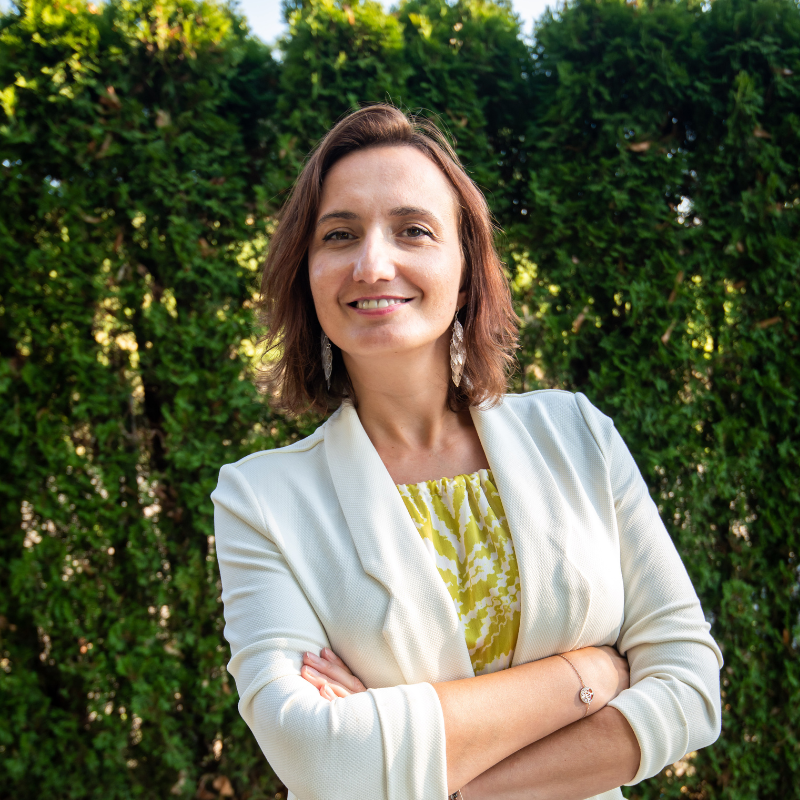
Dr. Anca Georgiana Rusu
- Program Manager at Innovation Booster Robotics
- Community Manager at EPFL Robotics
- Executive Director of the Swiss Robotics Association
Dr. Anca-Georgiana Rusu is Program Manager at Innovation Booster Robotics, Community Manager at EPFL Robotics, and Executive Director of Swiss Robotics. As EPFL’s focal point for robotics, she leads initiatives to build a strong Swiss robotics ecosystem, including the Innovation Booster on Robotics and the creation of the Swiss Robotics Association, while coordinating lab visits, international research promotion, outreach activities, fundraising, and major robotics events in Switzerland.
Previously, she spent over six years at EPFL’s International Risk Governance Center, leading interdisciplinary research on the governance of emerging technologies. Dr. Rusu holds a Master’s degree in Social Sciences from the University of Lausanne and a PhD from Paris Dauphine University, where her research focused on organizational communication in emerging technologies, with a particular emphasis on artificial intelligence.

Dr. Sylvain Calinon
- Senior Researcher at Idiap Research Institute
Dr Sylvain Calinon is a Senior Research Scientist at the Idiap Research Institute and a Lecturer at the Ecole Polytechnique Fédérale de Lausanne (EPFL). He heads the Robot Learning & Interaction group at Idiap, with expertise in human-robot collaboration, robot learning from demonstration, geometric representations and optimal control. The approaches developed in his group can be applied to a wide range of applications requiring manipulation skills, with robots that are either close to us (assistive and industrial robots), parts of us (prosthetics and exoskeletons), or far away from us (shared control and teleoperation). Website: https://calinon.ch

Dr. Dominic Gorecky
- President of the Board of Directors & Co-Founder, Swiss Cobotics Competence Center (S3C),
- Head of Swiss Smart Factory & Swiss Health Tech Center, Partner, Executive Board Member,
- Digital Shaper 2022

Dr. Hakan Girgin
- Innovation Manager at S3C | Robotics Researcher

Lukas Ziegler
- Robotics & Al Advocate with Global Influence
Lukas is the founder of a leading media house dedicated to robotics companies, working with innovative startups as well as global industry leaders such as ABB and NVIDIA. He is also a lecturer at the Business School of Warsaw University of Technology, where he teaches Industry 4.0 to MBA students.
He serves as a Venture Partner at ffVC, supporting emerging deep-tech and robotics startups, and has built a global community of more than 250,000 robotics enthusiasts across Europe and the United States. Through his media platforms, Lukas’s content reaches over 100 million people annually, educating and empowering a worldwide audience on the transformative potential of robotics and advanced technologies.

Dr. Baptiste Busch
- CEO & Cofounder of AICA
Baptiste Busch holds a PhD in robotics and machine learning for human-robot interaction from Université de Bordeaux, France. He worked as a postdoctoral researcher at LASA EPFL on human-robot interaction in industrial settings before co-founding AICA in 2019. With a solid technical background and hands-on experience in developing advanced software, he is devoted to creating solutions that bridge the gap between complex robotic tasks and seamless execution.

Prof. Dr. David Romero
- Professor at Tecnológico de Monterrey University
Prof. Dr. David Romero is Professor of Advanced Manufacturing at Tecnológico de Monterrey (Mexico) and Scientific Vice-Chairman of the World Manufacturing Foundation. His research spans Circular Manufacturing, Product-Service Systems, Cyber-Physical and Human Systems, Advanced Production Management, Green Virtual Enterprises, and Technology & Engineering Management in the context of Industry 4.0.
He is an active member of leading international scientific and professional bodies (IFAC, IFIP, IEEE, and Collaborative Networks), an Agenda Contributor to the World Economic Forum on Advanced Manufacturing and a World Manufacturing Forum Ambassador. Author of 200+ scientific publications, Prof. Romero serves on numerous academic, industrial, and governmental advisory boards and is widely known as the originator of the “Operator 4.0 / 5.0” and “Digital Lean Manufacturing” concepts.

David Weder
- CEO at S3C

Prof. Dr. Sarah Dégallier Rochat
- BFH Head Humane Digital Transformation | Industry 4.0 Humanist
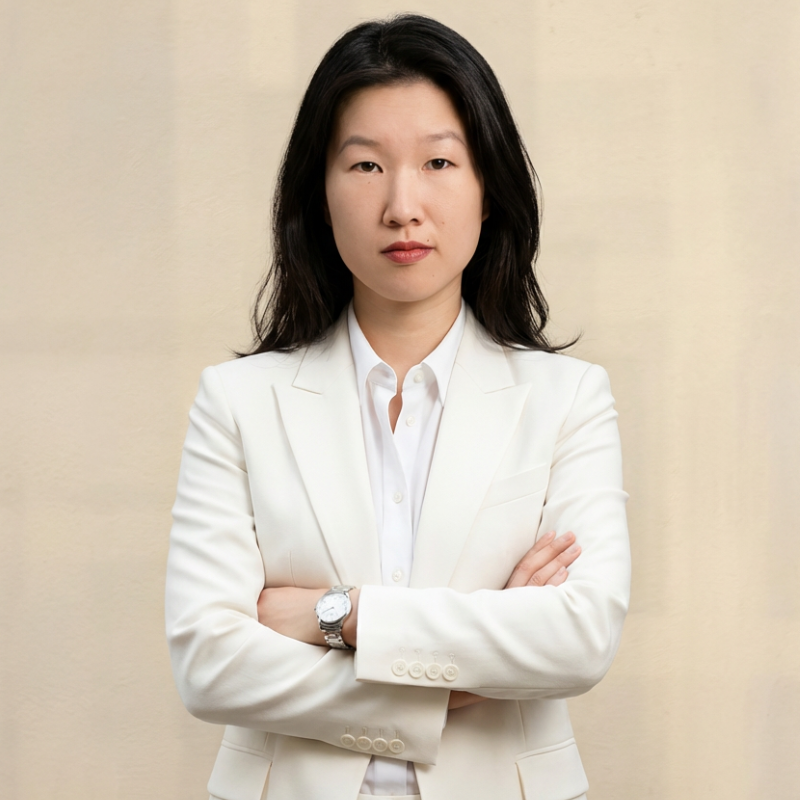
Katrin J. Yuan
- Boardmember | CEO Swiss Future Institute | Chair AI Future Council
Katrin J. Yuan is an award-winning executive with a background in technology and transformation. With a Master of Business Administration and studies in IT and finance, Katrin is fluent in six languages. She is a Board Member, Chair of the AI Future Council, lectures at four universities, and serves as a Jury Member for the ETH. Katrin is an influential executive networker, investor and speaker. Her expertise extends to AI tech future and Boards, enforcing AI and a diverse data-driven approach.

Dr. Milan Kumar
- CIO, ZF Commercial Vehicles (CVS)
- Global CIO & CDO Awards Winner
- CIO Series Author
- Forbes Tech Council
Dr. Milan Kumar is a global technology leader, Global Chief Information and Digital Officer (CDIO), TEDx speaker, author, educator, and startup mentor. He currently serves as CIO of ZF Commercial Vehicles in Bern, Switzerland, leading global digital transformation initiatives with a strong focus on data monetization.
Previously, he held senior roles as CIO, CDO, and board member at WABCO (NYSE: WBC) and Volkswagen Group, supporting digital transformation across numerous Fortune 500 companies including BMW, General Motors, British Airways, Atlas Copco, Morgan Stanley, and others. Dr. Kumar holds a PhD in AI Management, completed executive education at Harvard Business School, is a global keynote speaker, and has received multiple awards including Swiss CIO of the Year.

Dr. Xavier Comtesse
- Innovation Strategist, Futurist, and Thought Leader *Digital Transformation*
Dr. Xavier Comtesse is a recognized expert in digital transformation, with a strong background in computer science, research, and innovation across academia and industry.
He holds a PhD in Computer Science and has worked with multiple organizations on integrating advanced digital technologies into real-world applications. His interdisciplinary approach bridges technical depth and strategic insight to address complex technological challenges. Dr. Comtesse has contributed to numerous research and innovation initiatives, with a focus on AI and machine learning, while emphasizing governance and accountability in AI deployment. He is a frequent international speaker and actively mentors the next generation of technologists and researchers.
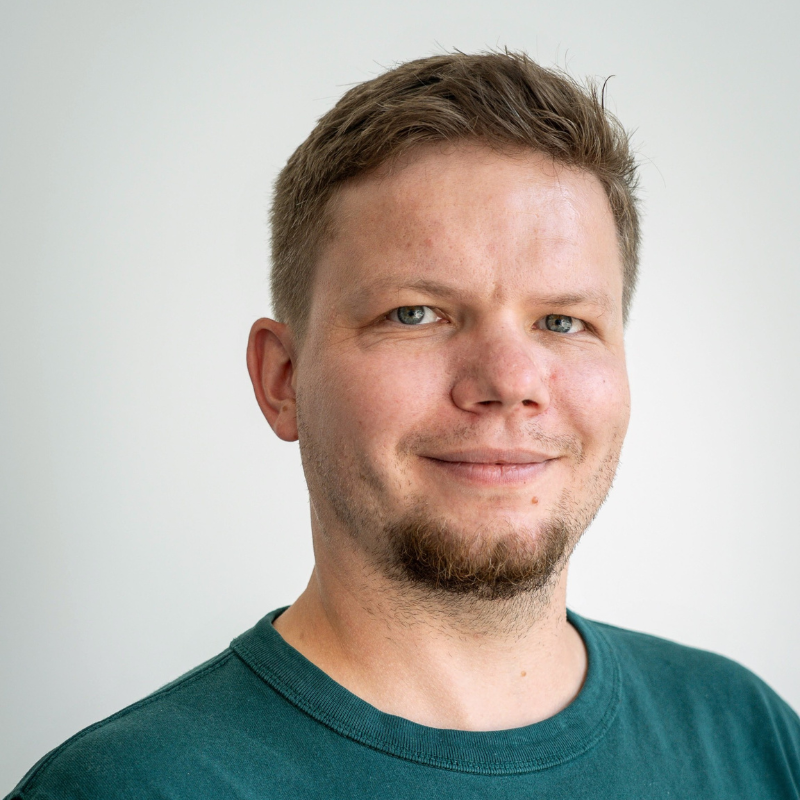
Dr. Justinas Mišeikis
- Strategy and Partnerships Manager, SonyAI
Justinas Mišeikis, PhD, EMBA, is a robotics expert and angel investor with a decade of experience spanning computer vision, sensor fusion, and human-robot interaction. Having previously led AI development for service robots and personal assistants, he now focuses on the strategic commercialization of breakthrough technologies for global technology leaders. His work focuses on turning complex research into measurable business impact, supported by a portfolio of over 15 publications and extensive patent activity. Justinas brings this technical rigor to the Humanoid Robotics World Conference, defining the benchmarks for the next generation of humanoid robots.
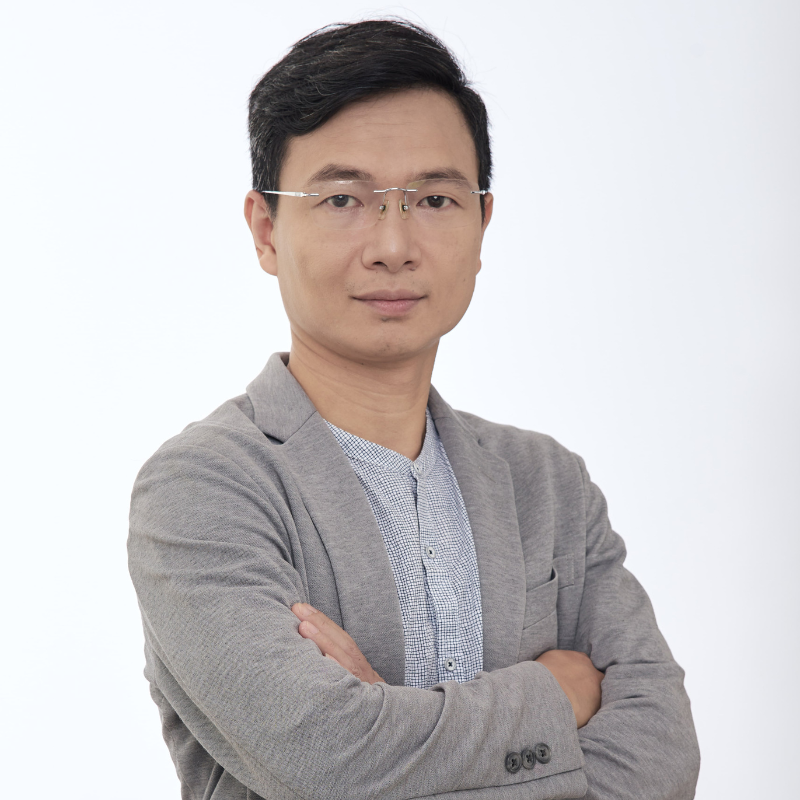
Dr. Vo Gia Loc
- Founder and CEO of Apicoo Robotics Design Expert at VinDynamics
Dr. Vo Gia Loc is a robotics expert and entrepreneur leading Apicoo Robotics, where he is expanding automation solutions into the heavy industrial welding sector in Vietnam.
He founded Apicoo Robotics to democratize automation for SMEs, developing the SusGrip smart grippers (2- and 3-finger) based on a proprietary hybrid parallel-scissor mechanism, optimized for high-mix, low-volume production. Previously, he contributed to the Indy7 collaborative robot at Neuromeka and conducted postdoctoral research at the Italian Institute of Technology (IIT), working on the COMAN humanoid and the WALK-MAN robot for the DARPA Robotics Challenge. Dr. Loc holds a PhD in Robotics from Sungkyunkwan University, specializing in quadruped locomotion and biologically inspired control.
Benjamin Regener
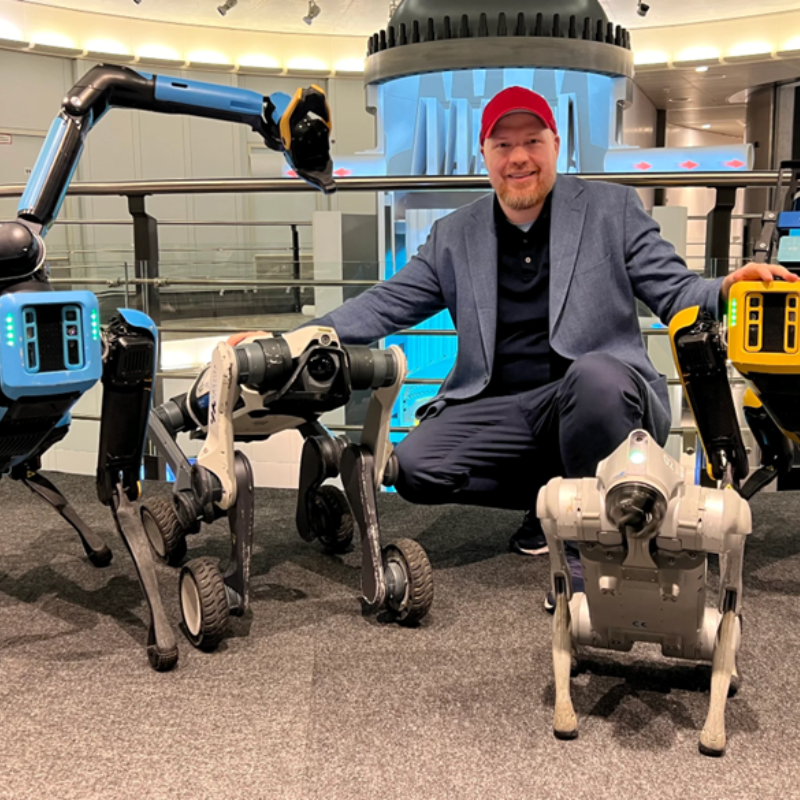
- Advanced Engineering & Strategic Consulting, NuclearIQ Solutions LLC
Benjamin Regener is the founder of NuclearIQ Solutions and former Team Head for Condition Monitoring, Calculation, and Simulation at Kernkraftwerk Leibstadt, Switzerland’s largest nuclear power plant. With over 12 years of experience in safety-critical environments, he has established the technical and regulatory foundations for deploying robotics systems—including humanoids, quadrupeds, and autonomous platforms—alongside remote inspection, advanced sensing, digital twins, and additive manufacturing.
His expertise spans multiphysics simulation (FEA, CFD, structural dynamics), vibration diagnostics, fracture mechanics, material forensics, robotic system integration, sensor fusion architectures, and additive manufacturing qualification, with extensive experience interfacing with Swiss regulators. Through NuclearIQ Solutions, he now applies nuclear-grade engineering rigor to critical infrastructure worldwide, enabling qualified, auditable robotic systems with fully understood failure modes.
Dr. Christian Hugo Hoffmann
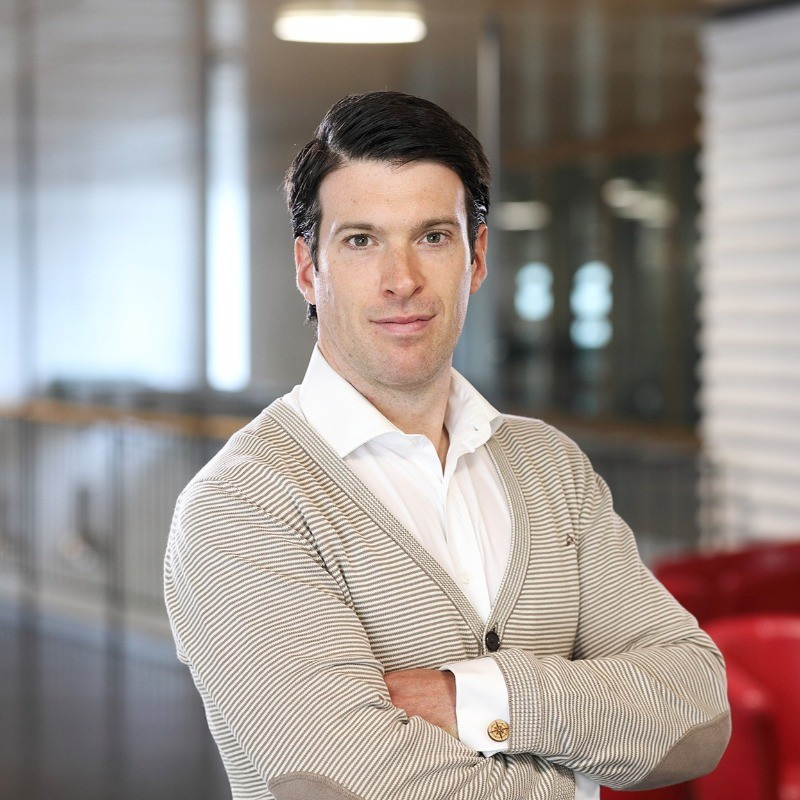
- Founder & Director, AI Startup Center (Zurich)
Christian is the founder and director of the AI Startup Center in Zurich, where he has already established over 30 AI startups in less than a year, including renowned spin-offs from ETH Zurich and Cambridge University. He sees himself as a cluster-preneur who successfully builds and manages entire clusters or business and innovation ecosystems rather than individual ventures. He particularly empowers that the innovations of the startups find their way into the economy and established companies in a sustainable manner – so-called success stories. He was himself an entrepreneur and AI entrepreneur for many years, with a successful exit and start-up experience in various countries, including Germany, Switzerland, and Malawi. With not only extensive practical experience, but also a PhD in finance and a PhD in philosophy (ethics of AI), Dr. Dr. Christian Hugo Hoffmann is a proven expert and thought leader on questions of ethical capitalism. More information at: www.christian-hugo-hoffmann.com
Marco Failla
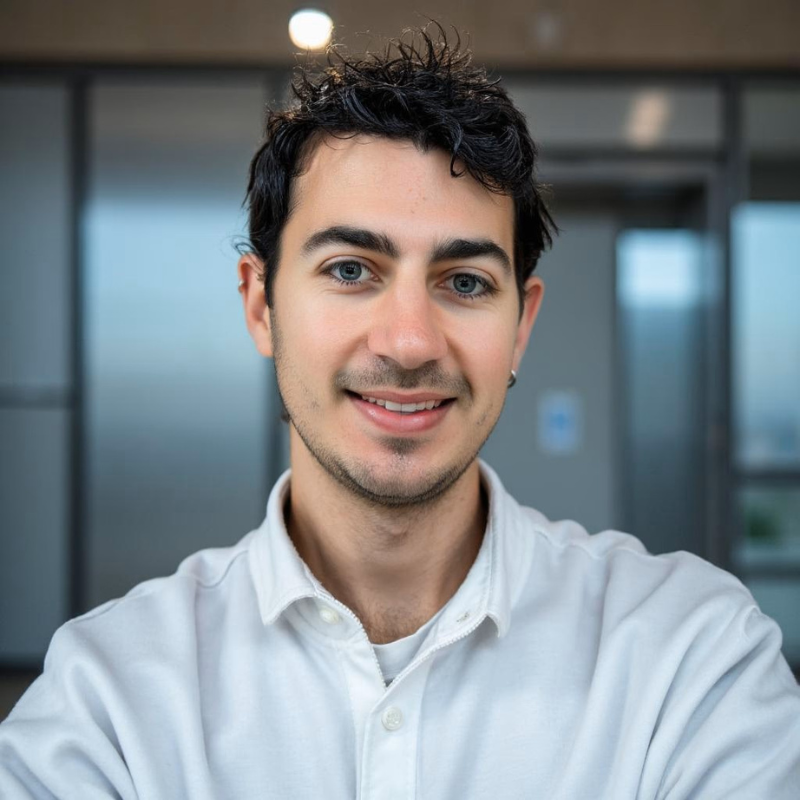
- Co-Founder and CTO, Wheemo.Tech
Marco Failla is the CTO of Wheemo, where he leverages advanced axial flux technology to deliver high-torque density solutions for the robotics and automation industries. An ETH Zürich graduate in Robotics, Systems, and Control, Marco is the architect behind WheemX, a proprietary design tool. He combines deep expertise in FEA and simulation to transform years of motor development knowledge into impactful, high-performance actuation systems.
Fabien Mugnier
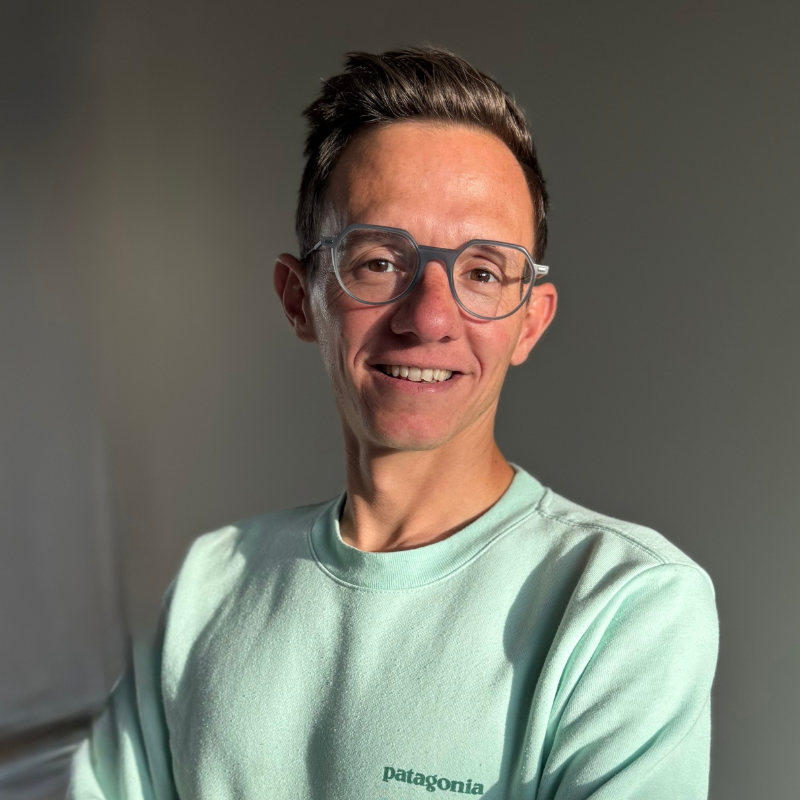
- Senior Robotics Leader, ex-1X, ex-Dyson, ex-Softbank Robotics

Dr. Lukasz Ostrowski
- Development Manager and Head of Embodied AI & Robotics, SAP Research & Innovation
Dr. Lukasz Ostrowski is Development Manager & Head of Embodied AI & Robotics at SAP, focusing on bringing innovation into SAP at scale. With 10+ years leadership experience, he specializes in disruptive innovation in collaboration with line of business and industry leaders. Happy to connect on cognitive robots and innovation opportunities.
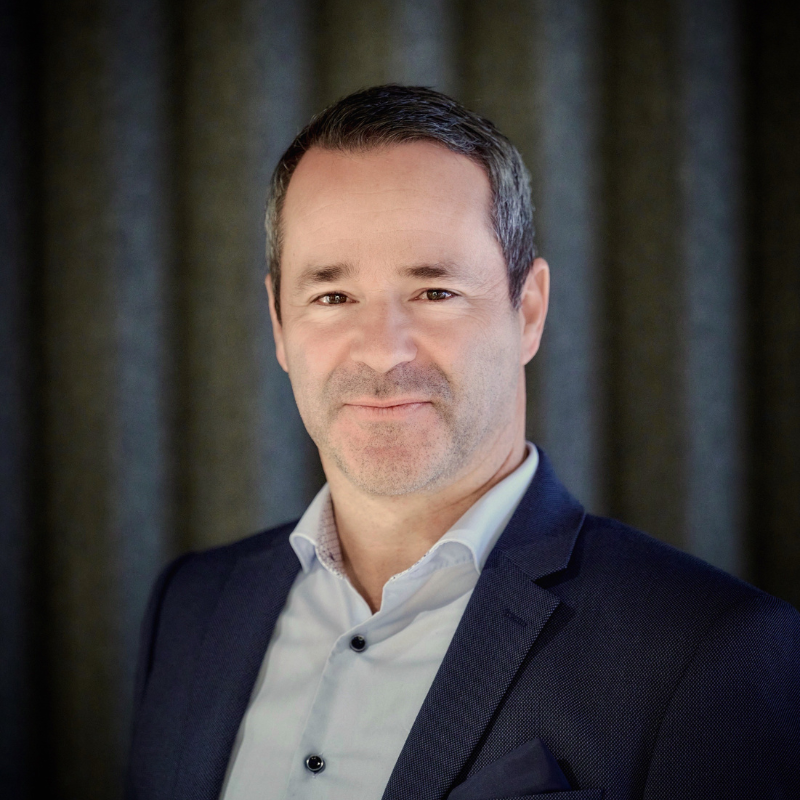
Simon Enderli
- Director, Bern Economic Development Agency
Simon Enderli is an experienced executive with over 20 years of expertise in economic development, business growth, and stakeholder engagement across both the private and public sectors. He currently serves as Head of the Bern Economic Development Agency, where he focuses on strengthening regional competitiveness, fostering innovation, and promoting investment.
Previously, he led the Swiss Entrepreneurs Foundation and served as President of the Swiss Entrepreneurs & Startup Association, playing a key role in advancing the Swiss startup ecosystem. His career includes senior positions in finance, international sales, and market development. Simon Enderli holds a degree in Business Economics and is fluent in German, English, and French.
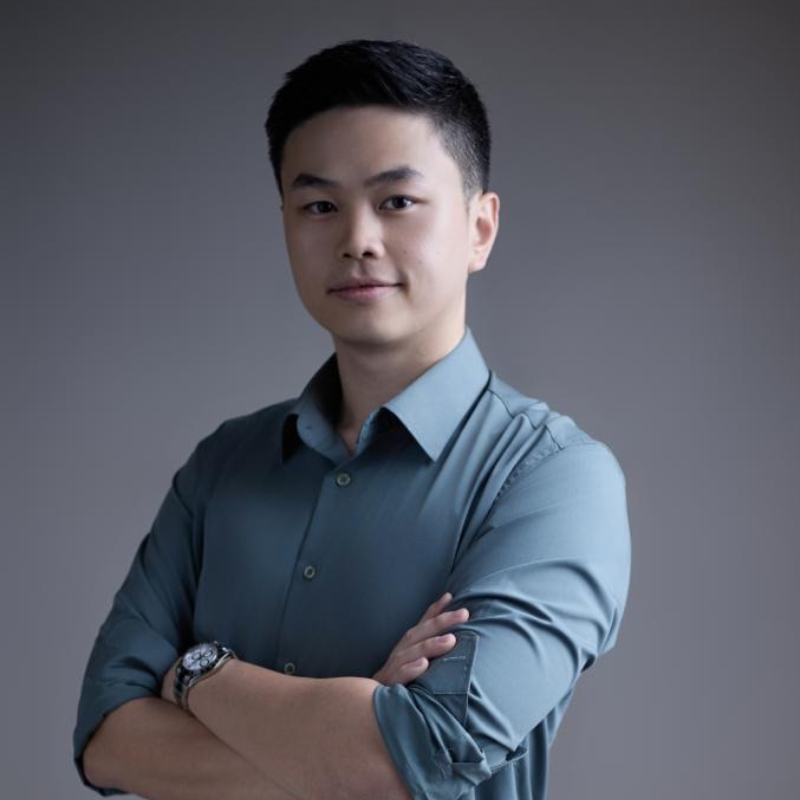
Edwin Yap
- Founder of Mr. Robot
Edwin Yap is a Malaysian entrepreneur driving AI, robotics, and Industry 4.0 adoption across Southeast Asia. He is CEO of Jemco Manufacturing, leading smart warehouse, automation, and AI-driven solutions, and founder of Mr. Robot, an AI robotics company focused on practical humanoid and service robots that augment human work.
Through strategic partnerships such as with AgiBot, he has showcased embodied-AI humanoid robots internationally and supports Malaysia’s robotics ecosystem through training, pilot projects, and cross-border collaboration. He is a frequent speaker on smart manufacturing and human–machine collaboration, with a mission to build a human-centric robotics ecosystem in the region.
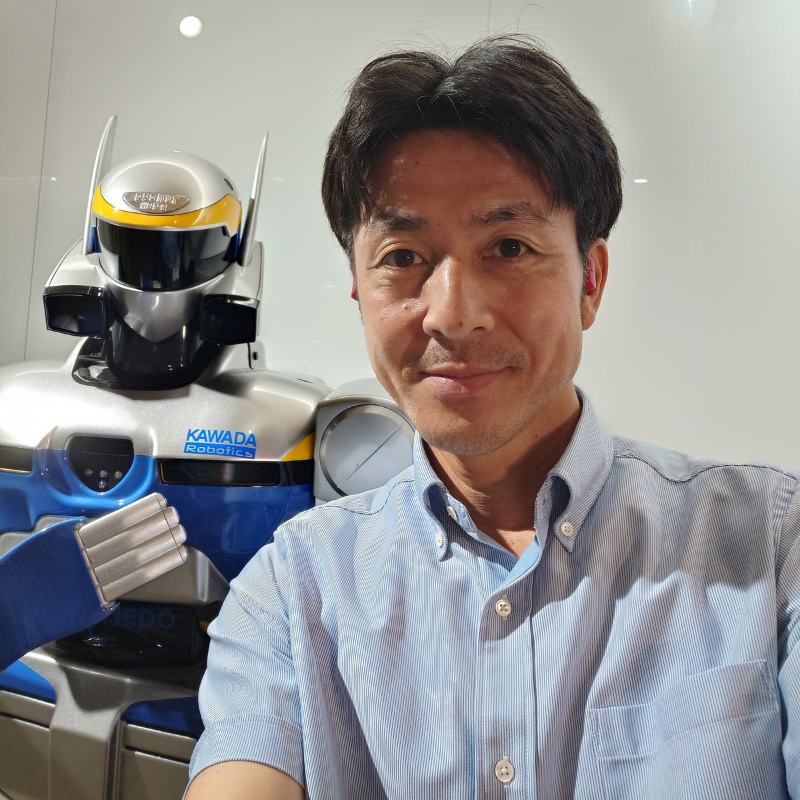
Yuichiro Kawasumi
- Chief Engineer, Kawada Technologies Inc.
Yuichiro Kawasumi is a Chief Engineer at Kawada Technologies, Inc., specializing in humanoid software and social implementation. He began his career developing the HRP-2 series with AIST, establishing core humanoid control expertise. This led to the successful spin-out of NEXTAGE, a torso-type robot that transformed high-end research into practical factory automation. Building on this real-world success, Kawasumi recently launched a project to develop next-generation legged robots in late 2025. Returning to his roots in full-body mobility, he aims to pioneer the next era of humanoid automation to solve critical global labor shortages.
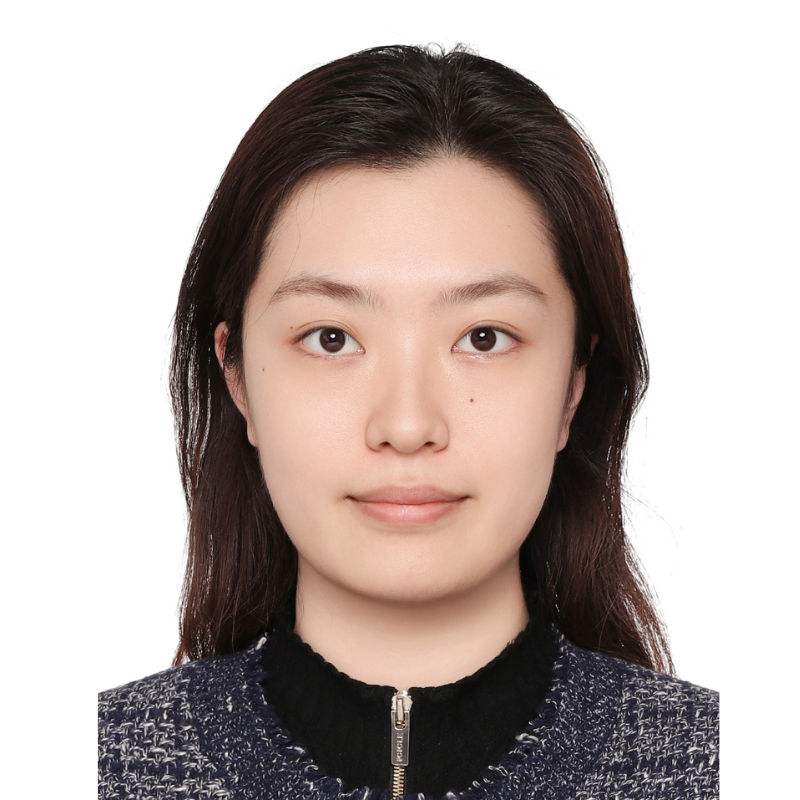
Yijing Wang
- Lead of International Cooperation, Shanghai AI Research Institute
Yijing Wang is an international cooperation professional specializing in artificial intelligence, industrial digital transformation, and multilateral partnerships. She currently leads international cooperation initiatives at the Shanghai Artificial Intelligence Research Institute (SAIRI), where she works on building global platforms for industrial AI collaboration (with a focus on Physical AI), capacity building, and applied innovation. With prior experience in the United Nations system, she brings a strong background in international organizations, global governance, and cross-border project development, with a particular focus on AI policy, industry applications, and Global South cooperation.
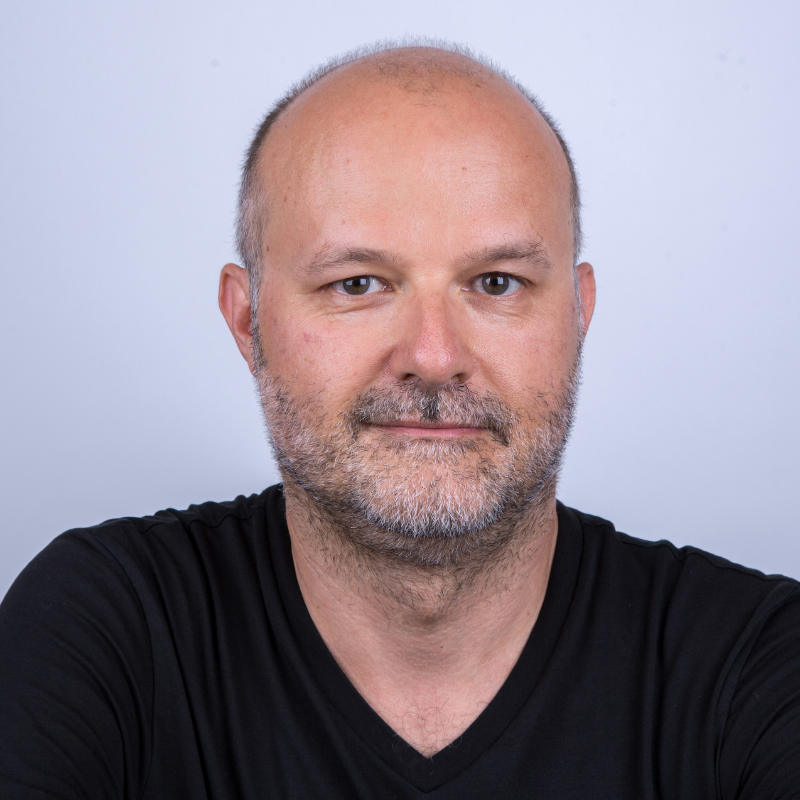
Jan Lässig
- Specialist in digital art mediation and cultural education, Aargauer Kunsthaus
Jan Lässig is a specialist in digital art mediation and cultural education. With a background in English linguistics and literature, art history, philosophy, and multimedia arts, he develops innovative educational formats that bring art to life using different technologies such as AR and AI. As a specialist at Aargauer Kunsthaus and as a project manager and multimedia producer at Studio Freisicht, he designs and implements digital projects that enhance museums in forward-looking ways.
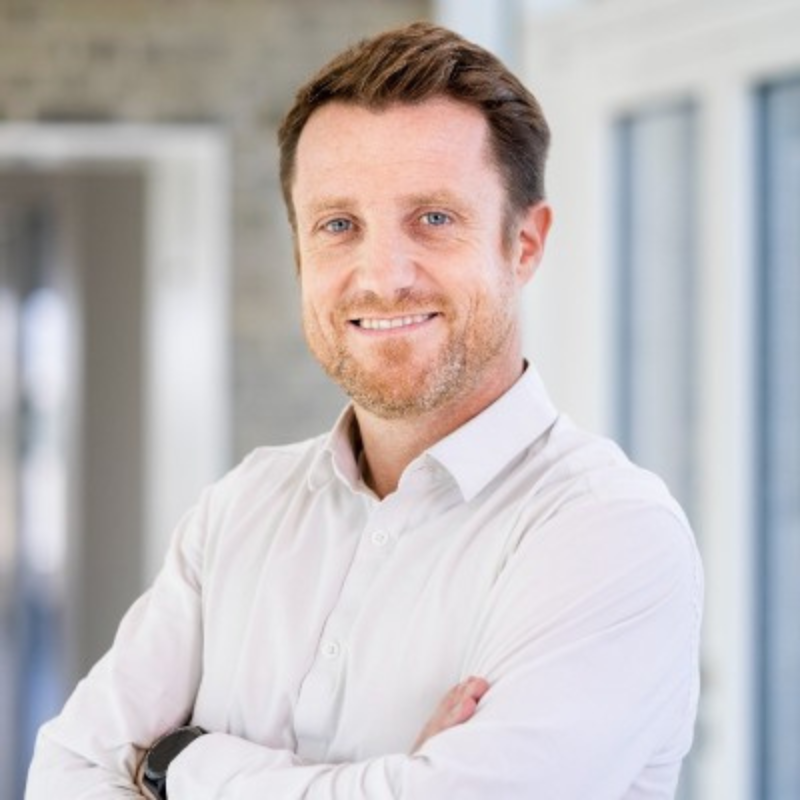
Marc Moal
- Global Head of Contract Manufacturing, Nestlé Nespresso
Marc Moal is Global Head of Contract Manufacturing at Nestlé Nespresso, overseeing worldwide manufacturing operations for coffee machines, with a strong focus on automation, digitalization, and collaborative robotics. His career spans semiconductor, medical device, and consumer product industries, where he has led large‑scale industrial transformations, quality turnarounds, and technology‑driven manufacturing partnerships. Marc regularly contributes to global manufacturing forums and speaks on the future of intelligent, responsible production systems
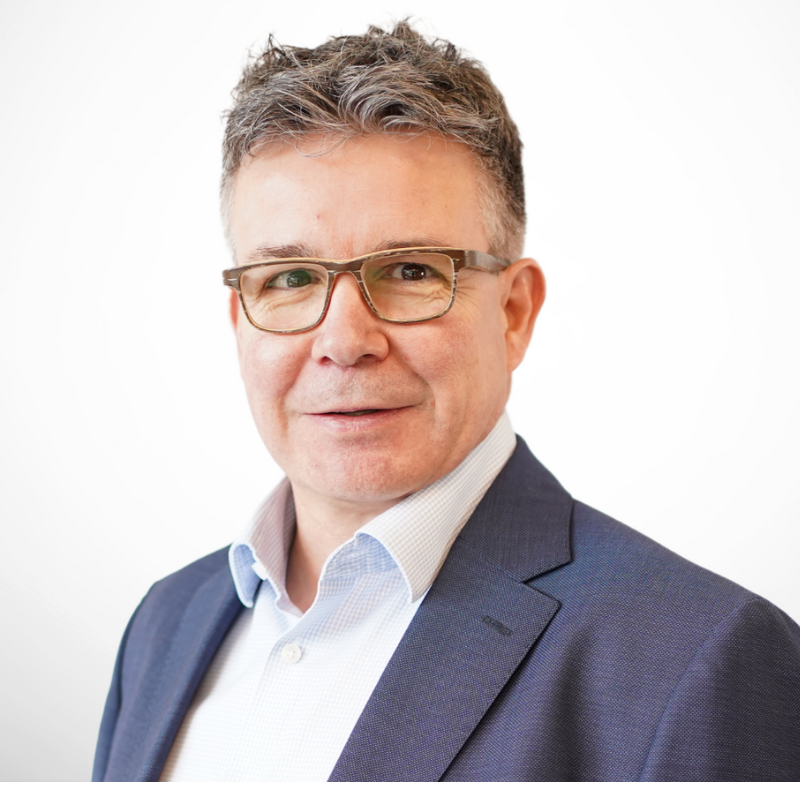
Philippe Hegi
- Founder and CEO, Bebop Robotics
Philippe Hegi is the Founder and CEO of Bebop Robotics, leveraging a unique dual background in Electronics Engineering and Business Administration. He possesses deep expertise in corporate innovation and finance, having served as Head of Finance for Swisscom’s Innovation Department and its Data, Analysis, and AI division. Beyond his own venture, Philippe actively supports the entrepreneurial ecosystem as a startup coach, jury member, and non-executive board member for SMEs. He combines technical acumen with strategic financial leadership to drive growth in the deep tech and robotics sectors.
Prof. Dr. Jianwei Zhang
- Founding Director, Institute of Technical Aspects of Multimodal Systems, University of Hamburg

Dr. Anna Antonakis
- Berner Fachhochschule BFH
Dr. Anna Antonakis is a senior researcher in the field of Social Design at the Institute of Design Research, Bern University of Applied Sciences. Drawing on science and technology studies, she investigates questions around digital technologies and representations, inequalities and security/ies and focusses on how power operates in and through the design of processes, narratives and (digital) artifacts. She holds a PhD in political science from the Freie Universität Berlin.

Chaoyi Li
Head of Globalization at Booster Robotics
Chaoyi Li, Head of Globalization at Booster Robotics, is committed to bringing affordable, reliable, and useful humanoid robots to global markets. Chaoyi has over 10 years of experience in the ToB sector. Prior to joining Booster Robotics, he held leadership roles at ByteDance, managing complex ToB products, and also has a background in consulting and investment. With his extensive experience, Chaoyi aims to integrate technology and service to provide the best solutions for clients.

Prof. Dr. Emre Ugur
- Associate Professor at Bogazici University
Emre Uğur is an Associate Professor in the Dept. of Computer Engineering at Bogazici University and the head of the Cognition, Learning, and Robotics (CoLoRs) lab. He received his PhD degree in Computer Engineering from Middle East Technical University (METU, Turkey). He worked as a research scientist at ATR, Japan (2009-2013); visited Osaka University as a specially appointed Assist.&Assoc. Professor (2015&2016); and worked as a senior researcher at the University of Innsbruck (2013-2016). He has been the principal investigator of INVERSE and IMAGINE projects supported by the European Commission, Horizon 2020 Programme; EXO-AI-FLEX, DeepSym and DeepPlan projects supported by TUBITAK. He has been awarded The Young Scientist Award by the Science Academy (BAGEP) and The Excellence in Teaching Award by the Faculty of Engineering. He is interested in robotics, robot learning, and cognitive robotics.

Kartik Sachdev
Solutions Architect – Robotics & AI at NVIDIA
Kartik Sachdev is a Solutions Architect at NVIDIA, specializing in Robotics and AI, based in Munich. He is leading customer engagements in the EMEA region across a diverse range of autonomous machines and robots, leveraging his expertise in technologies such as Humanoid Robotics, Computer Vision, Robot Learning, and Foundation Models.
As an expert in NVIDIA’s platforms, including Isaac Sim, Isaac Lab, and Omniverse, Kartik delivers innovative solutions that drive business value for the customers. With a proven track record of working in multiple geographies, including India, Germany, and Japan, he brings a unique blend of cultural and technical expertise to his role, enabling him to effectively collaborate with clients and deliver tailored solutions that meet their needs.

Tobias Rainer Schäfle
- Business Segment Manager Automated Intralogistics and Manufacturing Systems
at Fraunhofer IPA
Tobias Rainer Schäfle, Ph.D., Fraunhofer Institute for Manufacturing Engineering and Automation (IPA), is a passionate engineer who is enthusiastic about robotics and innovative technologies. His academic career includes a Master of Engineering (M.Eng.) in mechanical engineering and a Master of Science (M.Sc.) in technical cybernetics. In 2021, he completed his doctorate in engineering at Toyohashi University of Technology in Japan. Until the end of June 2024, he worked as an expert in industrial service robotics in the robotics department of Fraunhofer IPA in Stuttgart. Since July 2024, he has been business segment manager for automated intralogistics and manufacturing systems at Fraunhofer IPA.

Urs Gehrig
Urs Gehrig is Principal Consultant Business Development and Head of the Competence Center (CoC) Predictive Maintenance SBB. He has a degree in Electrical Engineering (HTL), a Master in Law (lic. iur.) and a degree in Secondary Education. Urs Gehrig currently leading the Enterprise Asset Management in the S/4 SBB program at SBB. He was giving lectures on «Digitalized Maintenance» at Zurich University of Applied Sciences and is going to give lectures at FHNW on a “CAS GenAI and Human-AI Interaction”; Urs is a member of the Advisory Board of the Locomotive bOgie Condition mAinTEnance (LOCATE) project running European Union’s Horizon 2020 research and innovation program, as well as in POLIMI (UIC Project 2020/RSF/664) and AIPM (UIC P700). He is a Certified SAFe® 5 Agilist. Urs is Chairman of SUGRail SIG for Intelligent Asset Management since 2019. He is a passionate drummer, instructor and composer.

Hiroyuki Fujii
- Business Development Manager, Kawada Robotics Corporation
Fujii has over a decade of experience in developing and expanding the market for working humanoid robots at Kawada Robotics. He played a key role in the business development of the “NEXTAGE,” a next-generation robot designed to make collaborative robotics more accessible through affordable and innovative solutions. His expertise spans business development and the promotion of robotics in manufacturing.
As a seminar speaker, Fujii has shared his insights at various seminars, including ROBODEX in Japan, where he discussed the potential of humanoid robots in addressing labor shortages. He continues to collaborate with European partners to expand the market for collaborative humanoids in Europe.

Kai Leuze
- CEO inMotion Robotic
Kai Leuze is a visionary founder and innovator, having established and influenced several tech companies in the fields of cameras, sensors, imaging, and electronics. His “out of the box” work has advanced these industries, showcasing his commitment to technological excellence and innovation. In recent years, Kai has focused on drone and robotic technology, further pushing the boundaries of what’s possible through a strategic partnership with Deep Robotics.

Yuki Long
- Founder, Sino Swiss Hub AG
Yuki Long is the founder of Sino Swiss Hub AG and the initiator of the DeepTech House @Davos Association. With over years of experience in international technology transfer and consulting, Yuki has been at the forefront of bridging innovative technologies and global markets. Sino Swiss Hub AG serves as the sales partner of Unitree Robotics in Switzerland and is dedicated to introducing a wide range of DeepTech products to seamlessly integrate into Swiss local markets.

Joëlle Ziegler
- Senior Project Manager at Bern Economic Development Agency
Joëlle is a hands-on expert with in-depth knowledge of the Swiss and Bernese innovation and industrial ecosystem, particularly those driving excellence in manufacturing and technological advancement. As part of the Bern Economic Development Agency, Joëlle helps foster innovation and create optimal conditions for companies looking to settle and grow in the canton of Bern.

Pascal Kaufmann
Founder & CEO of Mindfire
Pascal Kaufmann is a neuroscientist-turned-entrepreneur. The renowned US business journal “Inc.” named Elon Musk, Stephen Hawking and Pascal Kaufmann some of the leading voices in a new understanding of intelligence.
After receiving his Master’s Degree in Neuroscience and Economics at the Swiss Federal Institute of Technology (ETH) in Zurich and Northwestern University in Evanston, IL (USA), Pascal has worked at the prestigious Artificial Intelligence Laboratory of the University of Zurich, Switzerland. His work has been focused on numerous projects that explore the interface between brains and machines, aiming to unravel the secrets of neural networks and brain activity.
In 2010, Kaufmann founded the company Starmind for self-learning knowledge networks together with the business IT specialist Marc Vontobel. In 2017, he launched the Mindfire group that aims to decipher the principles of intelligence and make this knowledge available to cutting-edge research to empower humans. Since June 2022, Mindfire has been bringing together thousands of talents at its AI lab in Davos called Lab42 to develop human-level AI for humankind. Pascal Kaufmann serves on numerous boards and institutions and is currently the president of the Tech category of the Swiss Digital Economy Award. In 2023, he co-founded the tech startup AlpineAI that offers AI solutions to companies allowing them to leverage the potential of AI to enhance their business.

Oliver Authried
- Project Coordinator at the United Nations Industrial Development Organization (UNIDO)
in the Division of Digital Transformation and Artificial Intelligence
Oliver currently serves as Project Coordinator at the United Nations Industrial Development Organization (UNIDO) in the Division of Digital Transformation and Artificial Intelligence. His work includes projects leveraging AI and digital tools for development. Previous projects also established accelerator programs, learning and innovation hubs or factories, and mentorship programs all geared towards making technologies accessible and ensuring sustainable impact. Piloting state-of-the-art technologies for development projects has been a key component of his work since 2016. With a passion for technology, he provides his approaches and ideas to a variety of projects in developing countries.
Thanks to his experience, he navigates the complex environment of international affairs, coordinates projects among diverse cultural and professional backgrounds, enabling him to find the best solutions required for sustainable manufacturing practices.

Prof. Dr. Björn Jensen
- Co-Head AI Robotics Research Lab and Professor at Hochschule Luzern (HSLU)
Björn Jensen studied Electrical Engineering with a specialization in Automation and Image Processing. In 1998, he received a MSc degree from the Technical University of Darmstadt, Germany and in the following year a Master’s degree in Industrial Management from the same institution. He then joined the Autonomous Systems Lab at Ecole Polytéchnique Fédérale de Lausanne (EPFL), Switzerland, and participated in Robox@Expo.02 and Smarter-Elrob projects. In 2005, he visited the Arai-Ota lab at Tokyo University, Japan, before receiving his PhD in the area of human-robot interaction from EPFL. After his studies, he founded Singleton 3D, a start-up company developing 3D laser measurement technology. He taught robotics at the Bern University of Applied Sciences. Today he teaches medical robotics within the Biomedical Engineering Program of the University of Bern and is a lecturer in the Computer Engineering branch of Business Engineering at Lucerne University of Applied Sciences and Arts.

Dr. Sébastien Dalibard
- Hardware Chief Technology Officer at Aldebaran
Dr. Sébastien Dalibard is the Hardware Chief Technology Officer at Aldebaran, where he has spent the last 12 years driving technological advancement. Sébastien has graduated in Computer Science from ENS Paris, and holds a PhD in Robotics from the University of Toulouse, France, specializing in Motion Planning for Humanoid Robots. After having held academic research positions in LAAS-CNRS, Toulouse France and Nanyang Technological University, Singapore, Sébastien joined Aldebaran in 2012.
At Aldebaran, Sébastien has worked on the development of Pepper, two versions of Nao and the Plato mobile service robot. He has held various positions: motion control and planning engineer, head of embedded Robotics Software, head of System Architecture and for the last year Hardware CTO. In his current role, he is focused on the development of the seventh version of Nao, which will be put on the educational and healthcare markets in 2026.

Andre Heskamp
- Vice President of Advanced Automation Technology at Schaeffler
Andre Heskamp possesses extensive expertise in advancing digital transformation in manufacturing, particularly through cutting-edge applications in humanoid technology. His efforts have significantly advanced Schaeffler’s commitment to leveraging automation for enhanced operational efficiency and manufacturing excellence.
Andre Heskamp has a robust background in Digitalization and Operations IT and has held various key roles at Schaeffler since 2017, including Vice President of IT Product Line in Germany and Head of Digitalization and Operations IT for the Asia Pacific region based in Vietnam. He plays a vital role in driving the development and implementation of innovative technologies for the company’s production.

Dr. Davide Zappetti
- Innovation Manager at Enchanted Tools
Dr. Davide Zappetti is the Innovation Manager at Enchanted Tools, where he drives technological advancements, fosters strategic collaborations with academia and industry, and leads intellectual property (IP) creation. With a PhD in robotics and a background in mechanical engineering and materials science, he has worked at the intersection of AI, machine learning, and advanced mechatronics. Since joining Enchanted Tools at its inception, he has contributed to the development of innovative robotic systems, including humanoid robots, which he has been working on for the past few years. His expertise lies in bridging hardware and AI, ensuring seamless integration of technology to enhance robotic performance. While deeply rooted in research and development, he also ensures that these technologies make sense from a business perspective, aligning innovation with real-world applications and market needs.

Dr. Seungjoon Yang
- Professor at Ulsan National Institute of Science and Technology
SEUNGJOON YANG received his B.S. degree from Seoul National University in Seoul, South Korea, in 1990 and his M.S. and Ph.D. degrees from the University of Wisconsin–Madison in 1993 and 2000, respectively, all in electrical engineering. He worked at the Digital Media Research and Development Center at Samsung Electronics Company Ltd. from September 2000 to August 2008. He is affiliated with the Graduate School of Artificial Intelligence and the Department of Electrical Engineering at Ulsan National Institute of Science and Technology in Ulsan, South Korea. He is the director of the Industry-University Convergence Campus at UNIST. His research interests include image processing, 3D surface geometry representation, compression, and understanding.

Prof. Dr. Arash Ajoudani
- Director of HRI² Laboratory
Arash Ajoudani is the director of the Human-Robot Interfaces and Interaction (HRI²) lab at IIT. He received the ERC proof-of-concept grant 2023 (Real-Move) and the ERC starting grant 2019 (Ergo-Lean). He coordinates the H2020 SOPHIA project, co-coordinates H2020 CONCERT, and is a principal investigator in several Horizon Europe and national projects. He won the IEEE RAS Early Career Award 2021, Amazon Research Award 2019, KUKA Innovation Award 2018, and multiple best paper awards. His PhD thesis was a finalist for the Georges Giralt PhD award 2015. He is the IIT-PI of the IIT Leonardo R4M and IIT-Intellimech JOiiNT labs. He authored Transferring Human Impedance Regulation Skills to Robots and numerous publications. He is an IEEE RAS AdCom member (2022-2024), IEEE-RAS YP Chair, and Senior Editor of IJRR. His research focuses on physical HRI, mobile manipulation, robust control, assistive robotics, and tele-robotics.

Alex Petrovic
- Research Associate at AI Robotics Research Lab, Hochschule Luzern (HSLU).
Alex Petrovic, born in Vienna, Austria, is a robotics and articial intelligence engineer with an academic background in mechatronics and robotics from Technikum Vienna University of Applied Sciences and Lucerne University of Applied Sciences and Arts. He followed his passion for AIdriven robotics through a double-degree master’s programme, which led him to Switzerland.
Currently, Petrovic works as a research associate at HSLU’s Applied AI Center, collaborating with researchers and engineers to develop advanced algorithms and intelligent software architectures. His knowledge of ROS2 enables him to improve communication, control and coordination between robots and their environment.
His work includes various projects using SLAM, GPS navigation and other technologies to improve the autonomous operation and spatial awareness of robotic systems. He actively works with humanoid, mobile and industrial robots, developing solutions to improve their efciency, adaptability and real-world applications.

Prof. Dr. Robert Katzschmann
- Assistant Professor at the Department of Mechanical and Process Engineering
Robert Katzschmann is an Assistant Professor of Robotics at ETH Zurich and the founder of the Soft Robotics Lab, where he develops new robotic morphologies for a future of life-like robots that seamlessly integrate with us. Robert is also the cofounder and scientific advisor of mimic robotics, which develops autonomous dexterous manipulation solutions. He holds a Diplom-Ingenieur from the Karlsruhe Institute of Technology (KIT), wrote his master thesis at Stanford University (2013), and earned his Ph.D. in Mechanical Engineering from MIT’s Computer Science and Artificial Intelligence Lab (CSAIL) in 2018.
Before joining ETH, Robert engineered robotic surgery and biopsy systems at Auris Surgical Robotics (now Johnson & Johnson), created new robotic manipulation technologies as an Applied Scientist at Amazon Robotics, and served as CTO at Dexai Robotics (now Sony AI), where he led the development of autonomous kitchen robots. His research spans soft robotics, biohybrid systems, musculoskeletal robotics, and dynamic control, with work published in top journals such as Science Robotics and Nature.
Robert’s contributions have been recognized internationally, including as a IEEE RAS Senior Member, Ellis Member, and a TED Fellow. His TED Talk from 2022 on robots inspired by animal movement has been viewed by millions. He serves as an Editor for the International Journal of Robotics Research (IJRR) and IEEE BioRob and holds leadership roles in major conferences such as Robotics Science and Systems (RSS), ICRA, IROS and RoboSoft. Additionally, he is an Editorial Board Member of Advanced Robotics Research and npj Robotics. His work has been featured in prominent media outlets, including The New York Times, National Geographic, and BBC News.
Become a Speaker
Do you have specialized expertise in humanoid robotics that you’d like to showcase at our premier event? Reach out to us with your proposal for a chance to be a keynote speaker at this landmark occasion.